Chercheure IEO
Coordinatrice WP2



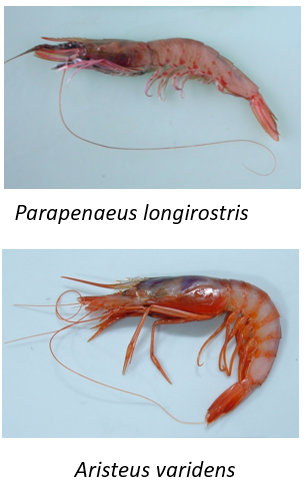
Our project aims to increase knowledge on Deep sea shrimps (Aristeus varidens et Parapenaeus longirostris) stock status in order to promote a sustainable fisheries. These stocks are especially harvested by Spanish vessels in West Africa. .
The overall objective of the PAMBAS project is to improve knowledge of deep-sea shrimp stocks exploited by European (Spanish) fisheries in West Africa in order to improve the sustainability of these fisheries.
These fisheries operate either under European fisheries agreements (Mauritania, Guinea-Bissau) or under bilateral agreements (Angola, Guinea).
In order to ensure the sustainability of the exploitation of target stocks, the status of stocks must be assessed. A need for knowledge has emerged, particularly regarding deep-sea shrimp stocks.(Aristeus varidens et Parapenaeus longirostris).
The PAMBAS project was launched to create the conditions for a better understanding of the level of exploitation of these two stocks in the four countries where the fleets concerned operate.












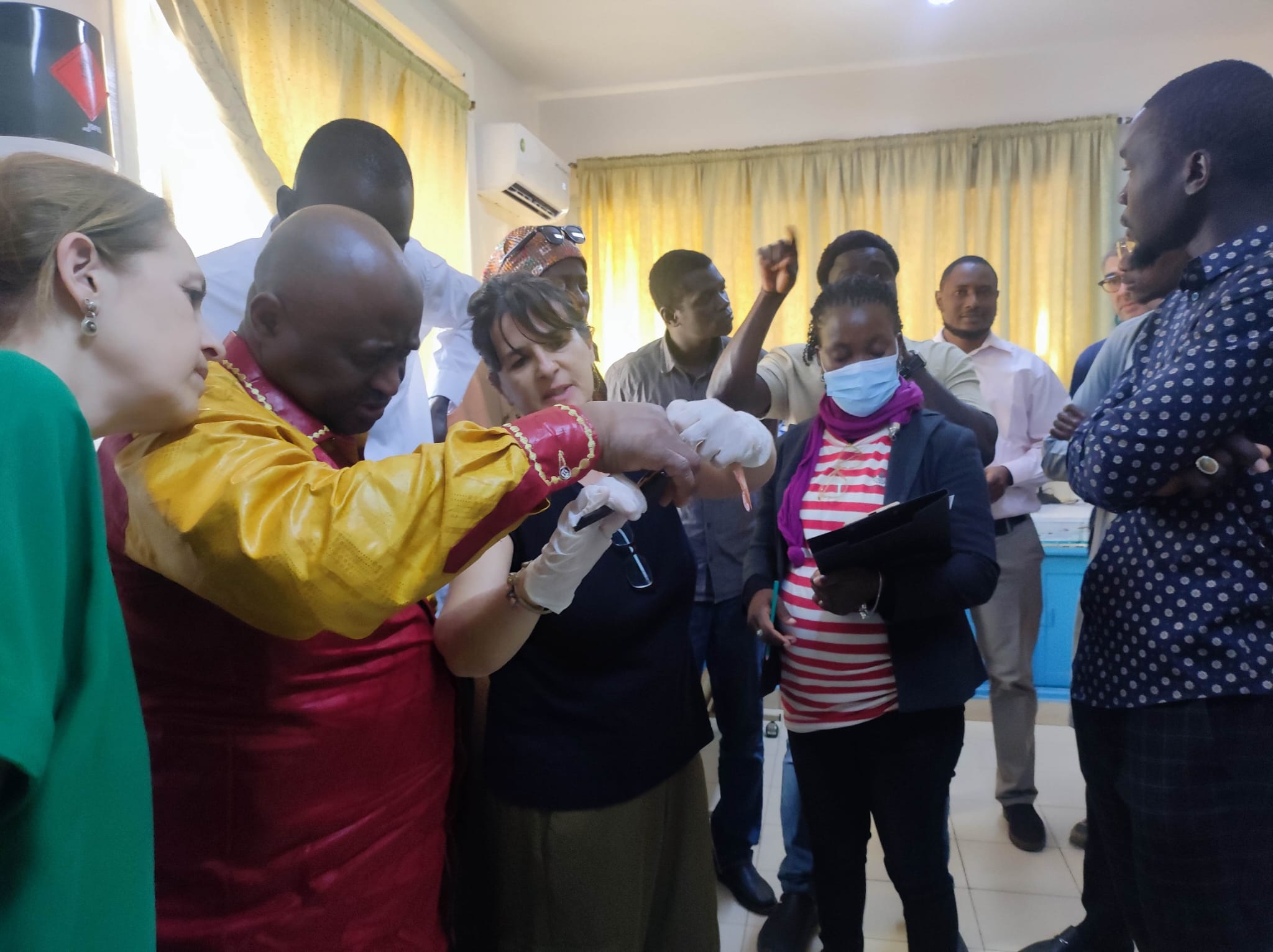
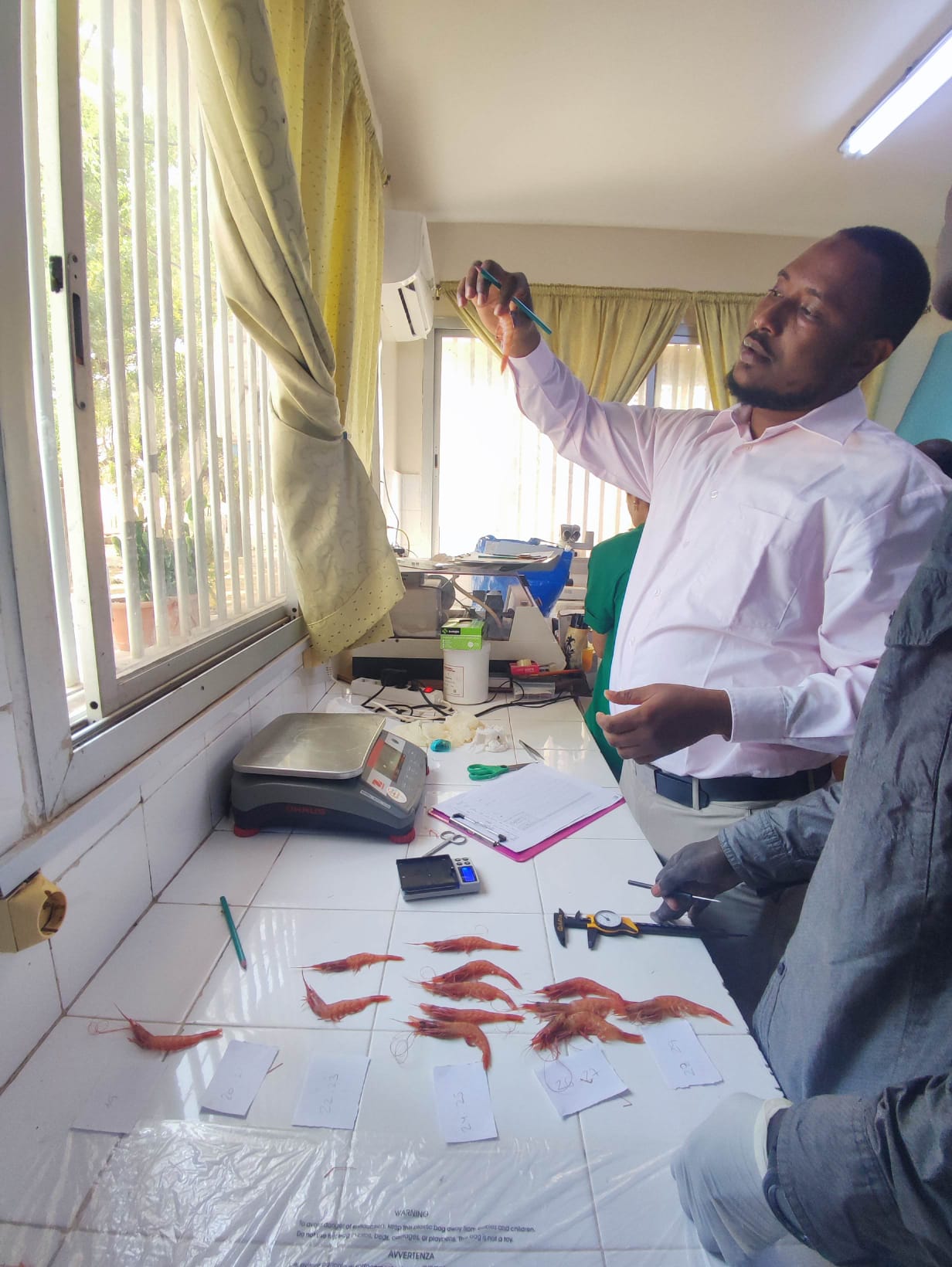
The conclusion reached prior to the project's development was that high-quality data is needed to feed into stock assessment models. This involves improving the processing of data that has already been collected (WP4 – standardisation of CPUs) and collecting new data. Our objective is to have observers on board during a representative number of fishing trips carried out by the vessels involved in the fisheries concerned.These observers will collect accurate data on fishing activities carried out during the tide (positions, nature of catches, frequency of catches of the two shrimp stocks of interest). These observers will also collect a number of samples for laboratory analysis (biological data).
Before stock assessments can be carried out, the different stocks exploited within a given species must be defined.
The IEO-CSIC will deploy a number of methods to identify the geographical extent of the stocks. The general idea is to look at a sample of captured individuals, whose capture is geo-localised, and identify differences between individuals such that they can be considered to belong to distinct stocks.
These differences between individuals may be related to life history traits (e.g. growth), sufficiently distinct morphometrics, or genetic differences.
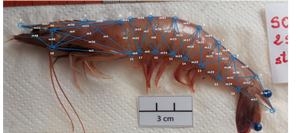
The holistic approach developed by the IEO-CSIC makes it possible to combine the three methods and identify areas where the species are sufficiently different to be considered distinct areas or resident stocks.
This is the exploitable part of the population of a species in a given area. The stock does not include eggs, larvae or juveniles that have not reached a size large enough to be caught. There may be several stocks for the same species : if subgroups of the same species live in different areas and have little or no interaction with each other, they are said to belong to different stocks. For example, Celtic Sea langoustines and Bay of Biscay langoustines, which have no interaction with each other, are studied separately. Although they are the same species, they are considered to belong to two distinct stocks.



FAO : Catch per unit effort (CPUE): The volume of catch taken per unit of fishing gear. For example, the tonnage of shrimp caught per trawl haul per month is one way of expressing CPUE.
Catches Per Unit Effort (CPUE) data are standard input data for stock assessment models. In the fisheries we are studying, these CPUE data are generated from logbook data (regulatory data). Unfortunately, the fishing effort taken into account is that of the fishing trip as a whole, rather than that specific to the capture of a particular species.
During fishing trips, and in a more or less opportunistic manner, boats will alternately target one of the three stocks that interest them. Fishing effort is therefore that used for the overall catch of the trip, rather than for a specific stock.
This is a real pitfall because CPUE is not representative of the abundance of a specific stock.
The PAMBAS project aims to establish integrative models that can combine VMS data (precise location data for fishing vessels) and logbook data (catch data by statistical rectangles/tides).
These models should be capable of producing series of stock-specific CPUE, which are much more relevant for the assessment of individual stocks.
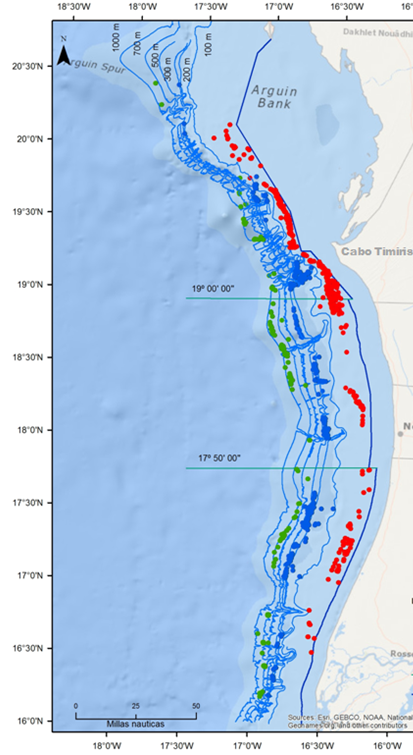
Pambas's main objective is to produce scientific advice based on the best data and the most appropriate models.
Fishermen are involved in the PAMBAS project through two associations, ANAMAR and COSECPRO.

Scientific and financial coordination is provided by the Agro Institute.
Maxime Olmos and Nicolas Bez accept to support us with their scientific expertise. This involves questioning what we are doing if it is not clear enough, giving us ideas that we have not explored, or putting us in touch with people who could help us. We are grateful to them for agreeing to provide us with this expert outside perspective.
 Click to view available files)
 présentationsphotosrapportsFormation collecte